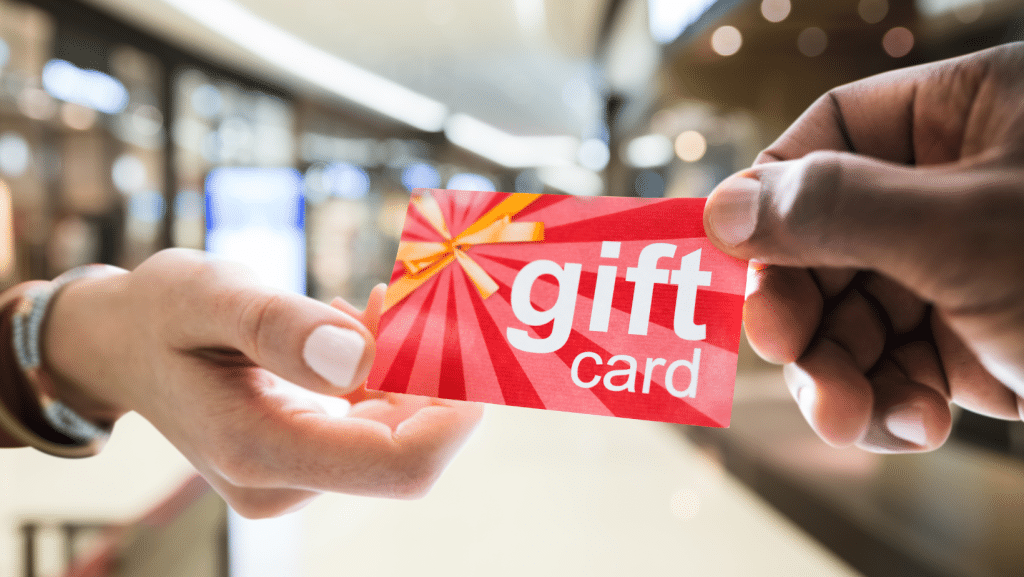
Selling gift cards in Ghana has become normal. Amazon cards, Apple cards, Google Play, Steam, PlayStation — they move around daily like digital cash. Freelancers get paid with them. People receive them as gifts. Others earn them from promos or online work.
Yet every time the topic comes up, one sentence always follows:
“Is it safe?”
Short answer: it can be safe — but only if you understand what you’re doing.
Long answer: most people get it wrong, and that’s where the problems start.
Let’s break this down properly, without fear-mongering or fairy tales.
Why Gift Card Trading Feels Risky in Ghana
The fear didn’t come from nowhere. It came from experience.
People have:
- Sent card codes and got blocked
- Been promised payment “in 5 minutes” that never came
- Seen fake screenshots of transfers
- Sold cards at terrible rates out of desperation
- Lost money to middlemen who vanished overnight
So the instinctive conclusion became: selling gift cards is dangerous.
That conclusion is incomplete.
The real issue isn’t gift cards.
The issue is how they’re being sold.
What Most People Get Wrong (The Big Misunderstanding)
Most people think the risk comes from the gift card itself.
It doesn’t.
The real risk comes from:
- Who you’re dealing with
- How verification is done
- Whether there’s any system in place
- Whether disputes can be resolved
Gift cards are just digital value. The danger enters when trading is handled casually, emotionally, or blindly.
Selling gift cards safely isn’t about luck. It’s about structure.
The WhatsApp & Telegram Trap
This is where most losses happen.
Random buyers in groups promise:
- “Best rates”
- “Instant payment”
- “Trusted dealer”
But here’s the hard truth:
There is no enforceable trust in private chats.
Common tricks include:
- Asking you to “send first”
- Claiming the card is invalid after redeeming it
- Sending edited transfer screenshots
- Delaying payment until you give up
- Disappearing after receiving the code
Once the code is sent, the power shifts. You can’t reverse a redeemed gift card. There’s no customer support line for WhatsApp deals.
That’s not trading — that’s gambling.
Why Gift Card Scams Are So Easy
Gift cards are:
- Instant
- Irreversible
- Anonymous once redeemed
Those properties make them efficient — and attractive to scammers.
In unstructured trading:
- No verification process exists
- No transaction logs are kept
- No accountability system is present
- No neutral third party can intervene
That’s why scams repeat. Not because people are careless, but because the system itself is weak.
So… Is Selling Gift Cards in Ghana Safe or Not?
Here’s the honest answer:
Selling gift cards in Ghana is safe only when the process removes human risk.
That means:
- No “send first” pressure
- No private bargaining
- No emotional manipulation
- No unverifiable promises
Safety comes from systems, not personalities.
How Platforms Like Bit2Sell Change the Game
This is where many people misunderstand platforms like Bit2Sell.
They assume it’s just “another buyer”.
It’s not.
Bit2Sell replaces chaotic human trust with:
- Structured verification
- Clear pricing
- Logged transactions
- Defined payout processes
Instead of trusting a stranger’s word, you’re trusting a system designed to handle digital value at scale.
That difference is everything.
What Actually Makes Gift Card Selling Safe
Let’s be blunt. Safety comes from a few non-negotiables:
- Verification before payout
Cards are checked properly, not “assumed valid”. - Clear submission process
You know exactly what to upload and why. - Transparent rates
No surprise deductions after the fact. - Traceable transactions
Every step is recorded. No ghost dealings. - Local payout in GHS
You receive money in a usable form, not another workaround.
When these exist, risk drops dramatically.
The Myth of “Instant Trust”
Another thing people get wrong: they believe speed equals safety.
Fast doesn’t mean safe.
Loud confidence doesn’t mean honesty.
Real safety often looks boring:
- Forms
- Verification steps
- Waiting periods
- Rules
But boring systems are exactly what protect money.
Why Some Cards Still Get Rejected (And It’s Not a Scam)
Not every rejected card is fraud.
Cards can fail because:
- They’ve already been redeemed
- They’re region-locked
- Images are unclear
- The card was tampered with
- Receipts are missing for certain brands
A proper platform rejects bad cards to protect everyone — sellers included.
Rejection isn’t theft. It’s quality control.
Who Is Most at Risk When Selling Gift Cards
People most likely to lose money are:
- First-time sellers
- Desperate sellers
- Sellers chasing “highest rate at all costs”
- Sellers using private chats
- Sellers skipping verification steps
Scammers prey on urgency. Systems remove urgency.
The Bigger Picture: Gift Cards Are Becoming Normal Money
Here’s the twist most people miss.
Gift cards aren’t a scam product.
They’re becoming a parallel payment system.
In many African countries:
- Gift cards bypass banking limitations
- They enable cross-border payments
- They act like digital cash
Platforms like Bit2Sell exist because this shift is already happening.
The danger isn’t the trend.
The danger is interacting with it carelessly.
Final Truth: Safety Is a Design Choice
Selling gift cards in Ghana isn’t unsafe by default.
What’s unsafe is:
- Unstructured trading
- Blind trust
- No accountability
- No systems
When you use a proper platform, risk doesn’t disappear — but it becomes manageable, predictable, and fair.
And in finance, that’s what safety really means.
Gift cards aren’t the enemy.
Bad processes are.
Bit2Sell was built to fix that gap — turning digital value into real money without the chaos that gave gift card trading a bad reputation in the first place.
That’s what most people get wrong.
Leave a Reply